8 Dec 2025
Hardie® Plank vs Cedral Lap: what's right for you?
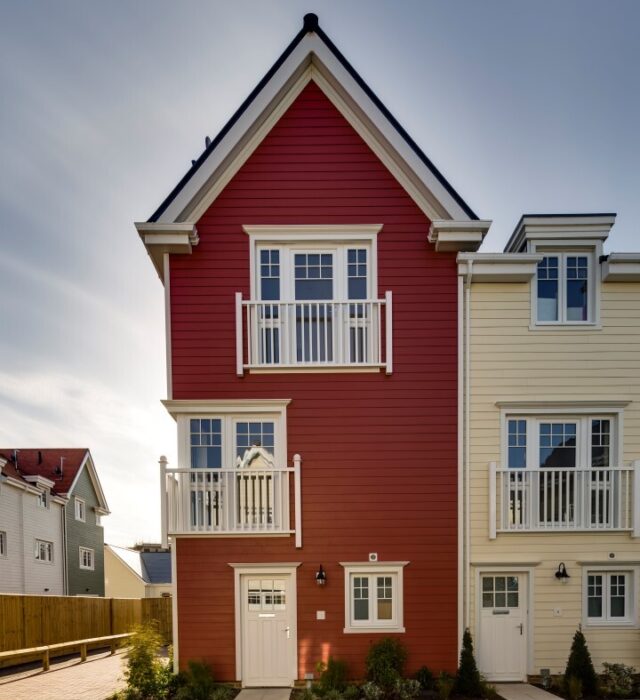
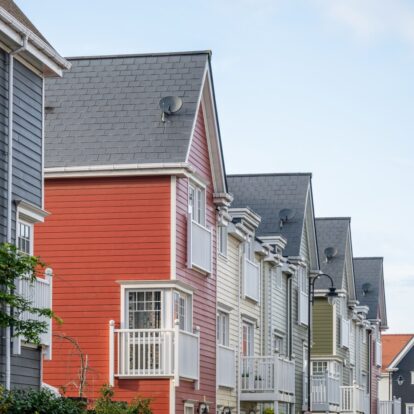
Fibre cement cladding has quickly become a go-to choice for UK homes and developments, offering the look of painted timber without the ongoing upkeep.
Two brands regularly lead the conversation: James Hardie and Cedral. Both are well-known and trusted, which is why many customers compare them when planning a new build, refurbishment, or exterior update. This article takes a practical look at both Hardie® Plank and Cedral Lap, highlighting where Hardie® Plank offers added reassurance and long-term value.
Durability and weather resistance
Both products are designed for long-term exterior use, but they achieve durability in different ways.
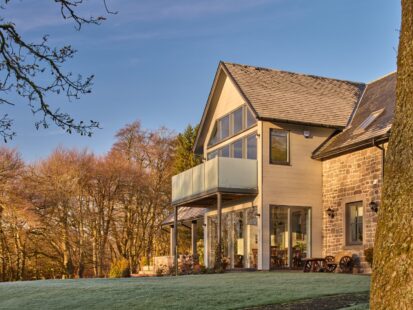
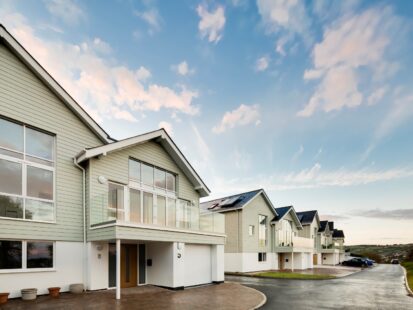
Hardie® Plank is made using James Hardie’s fibre cement formulation, engineered for high dimensional stability. This helps reduce movement, warping and cracking over time. Its standout benefit is ColourPlus™ Technology: a factory-applied, baked-on finish designed for deep UV resistance and excellent colour consistency between batches.
Cedral Lap also uses a fibre cement board with a painted finish, but its coating is a spray-on paint system rather than a baked-on process. While durable, it can require maintenance sooner, and colour variation between batches is more common.
Many users find that Hardie® Plank’s finish stays truer for longer, especially in exposed locations.

Fire performance
Both Hardie Plank and Cedral Lap achieve an A2-s1,d0 fire classification, meaning they have limited combustibility and are suitable for most low-rise residential applications where fibre cement cladding is permitted.
Where Hardie Plank often gains an edge is the clarity of supporting documentation, which makes it easier to check compliance early in the design or purchase stage.
Installation experience
Those who work regularly with cladding often comment on the difference in how each board handles on site.
Hardie® Plank is known for clean, predictable cutting using the recommended tools, and its lighter profile helps make lifting and positioning more manageable. This supports a smoother installation process and reduces the likelihood of surface damage.
Cedral Lap boards tend to be heavier and install differently. Though they’re still a familiar choice for many long-term users, but Hardie® Plank’s combination of weight, flexibility and cut quality is often appreciated by installers.
A product that installs well also tends to reduce call-backs, which benefits everyone involved in the project.
Design flexibility
When it comes to achieving a specific look, the range of textures, colours and matching accessories plays a major role.
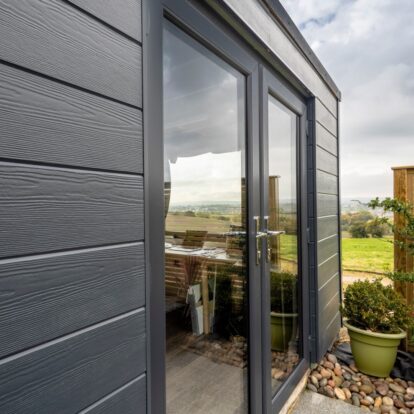
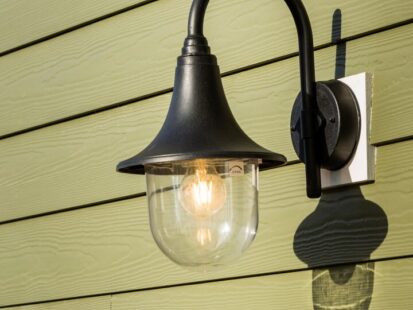
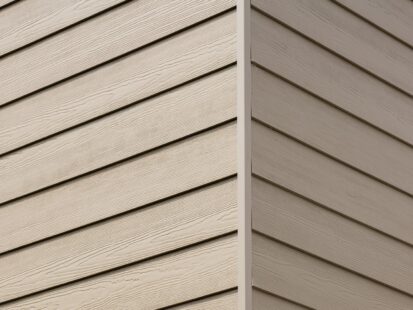
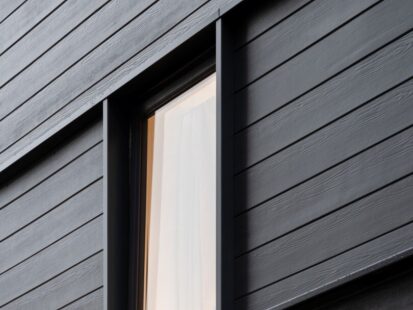
Both Hardie® Plank and Cedral Lap offer 21 colours in their range, plus colour match accessories to complete a project. Notably, Hardie® Plank also offers two distinct textures, including a smooth board option. This extensive variety is designed to suit everything from modern extensions to traditional cottages.
For anyone planning a distinctive look or working to a specific design vision, this flexibility helps create a finish that feels considered and cohesive.
Warranty and testing
Hardie® Plank is backed by a 15-year limited warranty, supported by decades of performance data and third-party testing. For many customers, that level of established confidence is an important part of the decision.
Cedral offers a 10-year material guarantee on their Cedral Lap planks, meaning Hardie® Plank often provides more reassurance when comparing the two.
Choosing with confidence
Both Hardie® Plank and Cedral Lap have earned their place in the market. But for anyone looking for the highest levels of colour durability, reliable installation performance, strong technical backing and a proven long-term warranty, Hardie® Plank often provides that extra layer of confidence.
For support comparing products, exploring colours or planning your next project, your local team can provide samples, guidance and practical advice to help you make the right choice.