15 Dec 2025
Bricking it. Get to grips with brick basics thanks to Matching Brick’s Kayleigh!
Our teams across the country know their stuff when it comes to bricks and building materials. We speak to Sales Coordinator Kayleigh, who has answers to your most commonly asked questions.
Firstly, let’s get to grip with bricks. What exactly is a brick?
A brick is a small rectangular block typically made from clay, concrete or calcium silicate. We offer all 3 types.
How are traditional clay bricks made?
Bricks are made in stages.
The first stage is the extraction of clay from the quarries; the raw clay is stockpiled to weather (break down naturally under rain and frost) and this makes it easier to work with later.
During the second stage, the clay is crushed and ground to a fine consistency.
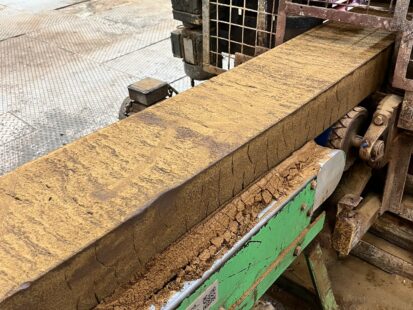
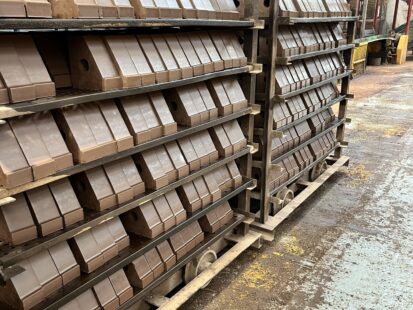
The third stage is shaping or forming the brick itself, this can be done in several ways. They can be handmade, machine moulded or, for a wirecut brick, stiff clay is forced through a die to form a long column and then cut into individual bricks with wires.
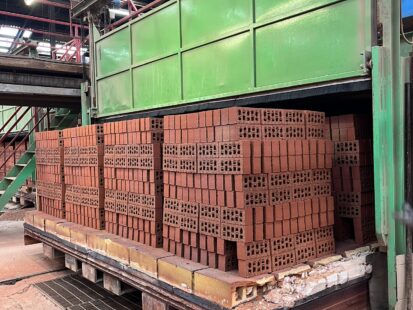
The fourth stage is drying the bricks for 24-48 hours at around 30-120 degrees. Doing this prevents cracking and warping during firing.
The fifth stage is firing the bricks in a kiln at temperatures between 900-1200 degrees. The heat causes a chemical reaction that makes the brick hard, durable and water resistant.
The sixth stage is cooling and sorting the bricks. They are cooled slowly to prevent cracking, then they are sorted by colour, quality and strength.
And what are the benefits of clay bricks?
The benefits of bricks are that they are exceptionally durable, have a long lifespan and they are fire resistant, providing excellent fire protection. They are also extremely weather resistant - fired clay bricks can withstand frost, rain and temperature fluctuations.
Bricks don’t rot, rust or need painting so upkeep costs are minimal over their lifetime. They also have high thermal mass, meaning the bricks absorb and store heat during the day and release it slowly, helping to regulate indoor temperatures.
As bricks have a long service life, it means that they have a lower carbon footprint. They are made from all natural materials and they don’t release harmful chemicals into the air, so it means there is an improved indoor air quality.
Is there anything about bricks that you think people don’t know?
The colour of the bricks comes from chemistry! The iron oxide content in clay determines the colour:
- More iron= red brick
- Less iron or higher lime content= cream or buff brick
Reduced oxygen in the kiln = purple or blue bricks (common in UK engineering bricks).
So the colour isn’t paint, it’s baked into the mineral structure itself.
How do people know which bricks to choose for their projects?
We have some customers that have site projects and know which bricks they want, in which case we offer samples to ensure it is the correct product for the design intent.
Knowing what the brick is being used for also helps us to give the correct information. We’ll make sure the brick is suitable for the project, for example in terms of frost resistance etc.
We also have customers come in with photos for brick matching, which we have a lot of experience in, so we’ll use our knowledge from across a range of manufacturers to find the right brick or closest match.
What brick colours or types are popular right now?
We find that blue bricks are always very popular as they look nice and most, if not all, are engineering quality meaning they can be used for various projects.
We have also found that more customers are wanting to go for a handmade brick that has lots of character for their design.

How exactly do you match a brick?
We match a brick by looking at photos or by customers bringing us the physical bricks that they need to match, we then look at the colour and texture of the brick to find the best possible match.
Sometimes it does mean we have to go away and find the perfect match, this is more common if the brick has been discontinued, but a lot of time this is all done in the yard with the customer present. They can then order the suggested bricks, and we make sure they are delivered in a timely manner.
What are the biggest challenges when matching bricks?
The biggest challenge when it comes to matching bricks is that photographs can be deceiving with the colour or texture. Bricks can also change all the time due to the clay being dug from different parts of the quarry. That makes it hard if the brick has changed colour and no longer matches! We always recommend taking samples to make sure the customer is happy.
Matching Brick isn’t all about brick matching, especially now that it’s teamed up with Brickability – can you tell us what customers can expect from you and your team?
We offer an excellent service from our team. We also have reps with extensive knowledge of bricks and any materials needed for a construction project.
We don’t just offer bricks, we also supply porcelain pavers, blocks, brick slips and brick specials.
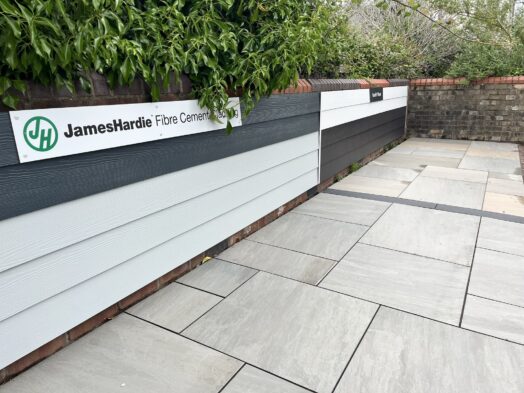
Recently, we have started stocking James Hardie Cladding, which has been popular!
Other than brick, are there any products increasing in popularity at Matching Brick?
Porcelain is popular especially in the summer months when people are having their garden projects done, they look really nice and they’re a good quality product.
James Hardie products are flying out the yards with their increased popularity since we became stockists.
Slips are also getting popular. I’ve heard that a lot of builders are doing features walls inside properties. One I have seen recently is brick slips being used as a back splash in a kitchen, which adds real character.
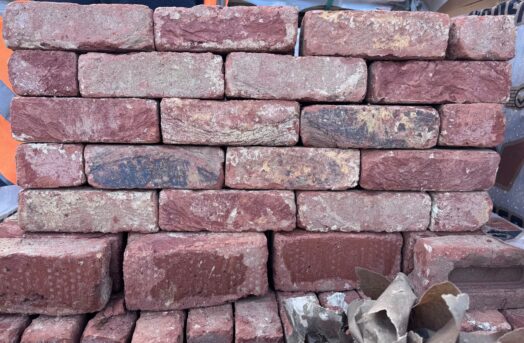
Finally, what’s your favourite brick?
My favourite brick is the Old Farmhouse. The colour and handmade look adds a lot of character, and these are a popular brick we sell from Bedminster.